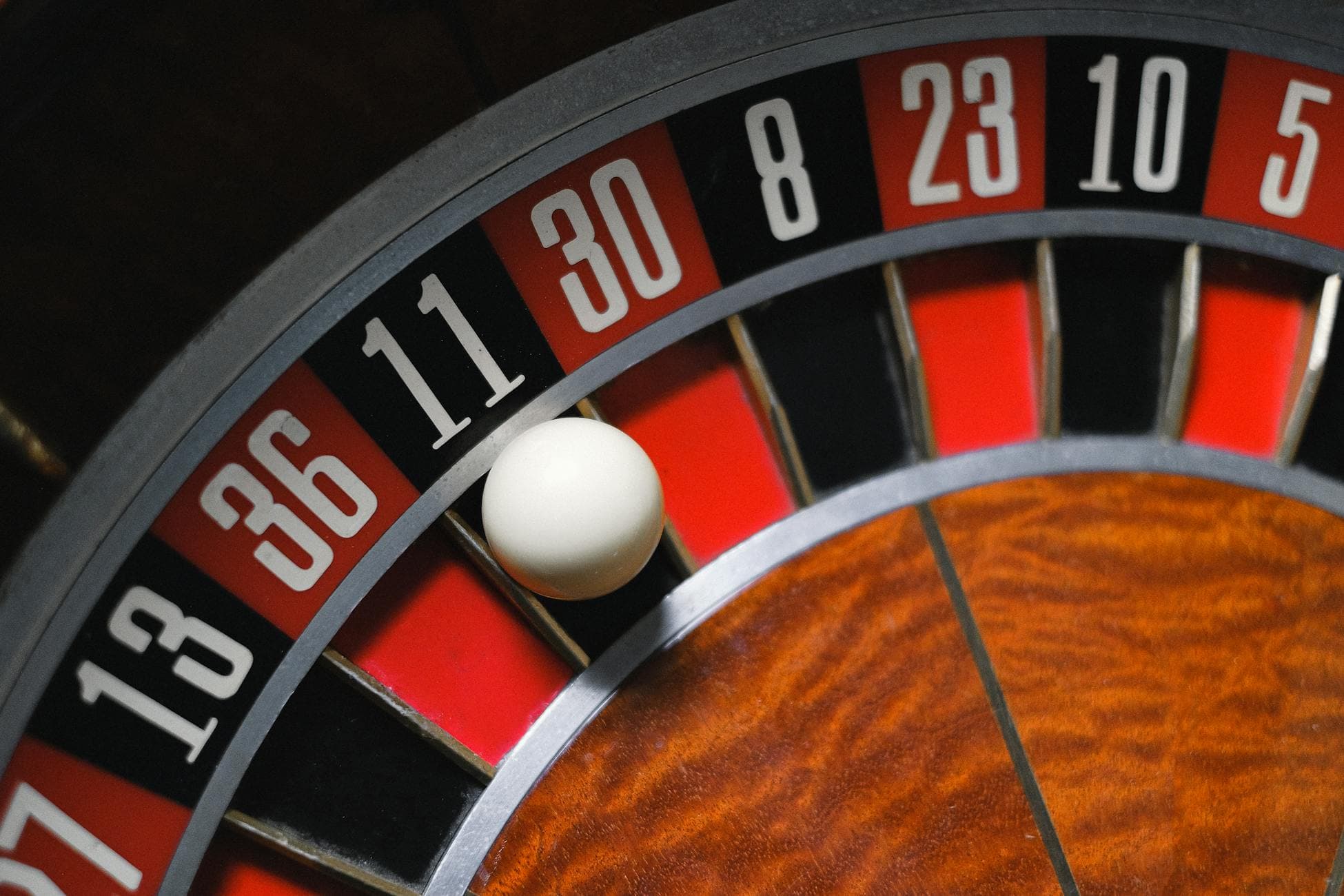
If you’ve watched a few Plinko drops line up in a way that feels eerie, you’re not imagining the feeling. Streaks can look convincing. They can also be the fastest way to convince yourself that the board is saying something it isn’t.
This article is educational, not a betting system. Gambling involves risk and is only for adults in eligible jurisdictions. Only use gambling products where they are legal, licensed, and permitted for you.
What Are Stake Plinko Streaks?
When people talk about stake plinko streaks, they usually mean one of three things:
- a run of similar outcomes, like several drops landing in the same general area
- repeated low or high multipliers over a short session
- a pattern that *looks* like the board is favoring one side, even when it isn’t
On Plinko, that sense of repetition is easy to notice because every result is visible. You see the chip fall, you see where it lands, and your brain naturally starts grouping results into “hot,” “cold,” or “due.”
That instinct is understandable. It is also where people get into trouble.
How Plinko Outcomes Work
Stake Plinko is a drop game built around a board layout, rows, and a chosen risk level. In plain English:
- Rows affect how many deflections the chip makes before landing.
- Risk settings affect how the distribution of payouts is shaped.
- Multiplier distribution determines how often smaller or larger outcomes appear.
The important part is this: the game’s own rules/paytable matter. Check Stake’s current Plinko rules/paytable in the game interface before betting; rows, risk levels, multipliers, and displayed RTP/house edge can change.
A practical way to think about it:
| Plinko setting | What usually changes | Player experience | Streak-chasing danger |
|---|---|---|---|
| Low risk | More frequent small outcomes | More consistency, less drama | Lower, but still present |
| Medium risk | A middle ground between smooth and volatile | Mixed results over a session | Moderate |
| High risk | More extreme outcomes, including rarer large multipliers | Big swings, less consistency | Higher |
High-risk settings do not create a hidden edge. They just make the session feel more dramatic. Rare outcomes become more visible, and that visibility can tempt people into overreading the board.
Are Stake Plinko Streaks Predictive?
Usually, no.
Plinko results are best understood through the lens of independent events. That means each drop is not reliably “influenced” by the previous one in a way you can use to forecast the next result. A cold run does not force a hot run to follow. A run of losses does not make a win more likely on the next drop in any dependable, player-controlled way.
This is where the gambler’s fallacy shows up: the belief that a long string of one outcome must be “balanced out” soon. Randomness does not keep a memory ledger for your session.
So when someone says they can “read” a Plinko streak, they’re usually describing a feeling, not a predictive method.
Why Streaks Feel Meaningful
Humans are built to spot patterns. That’s useful in daily life and dangerous in random games.
A few forces make stake plinko streaks explained conversations so sticky:
Clustering
Random outcomes often arrive in clusters. That means you can get stretches that look non-random even when the underlying process is functioning normally.
Confirmation bias
If you already believe a board is “hot,” you will notice the results that support that belief and ignore the ones that don’t.
Selective memory
People remember the streak that “proved” the theory and forget the many sessions where the theory went nowhere.
Hot-hand thinking
After a run of favorable results, it’s easy to assume the next one will also be favorable. That’s a perception problem, not a prediction model.
Variance and volatility
Short sessions can swing hard. The smaller the sample, the easier it is for ordinary randomness to look like a secret signal.
Simple explainer graphic idea
Why Streaks Feel Predictive
| Observed run of outcomes | Human interpretation | Probability reality |
|---|---|---|
| Several similar drops in a row | “The board is on a streak” | Clustering can happen naturally |
| A few bad outcomes after a good one | “The game turned against me” | Random sequences can flip without a pattern |
| One big payout after many small ones | “It was due” | Rare events are still just rare events |
Stake Plinko Streaks Risk
The biggest risk is not the streak itself. It’s what people do because of the streak.
Common reactions include:
- increasing bet size after a few losses
- raising the risk setting because the session feels “stale”
- trying to win back losses by extending play
- assuming a streak must continue, or must reverse, because it feels overdue
That combination can accelerate losses quickly. In other words, stake plinko streaks risk is often behavioral as much as mathematical.
If you’re already frustrated, tired, or chasing a result, you’re more likely to misread the board and make larger, less careful bets.
Low, Medium, and High Risk Settings
Risk settings in Plinko are not a shortcut to predictability. They change the shape of the ride.
- Low risk tends to produce a steadier experience, with smaller swings.
- Medium risk sits between stability and volatility.
- High risk makes rare outcomes more visible, but every risk setting still carries loss exposure.
That matters because players often mistake “more visible big outcomes” for “better strategy.” It isn’t.
High risk can make streaks feel more dramatic and more “real,” but it also makes consistency worse. If you’re tempted to chase a pattern, high-risk play can magnify the damage.
Common Plinko Streak Myths
Here are some of the most common misconceptions:
- “A big multiplier is due.” No. Rare outcomes don’t become guaranteed because they’ve been absent.
- “A cold board must turn hot.” Not in a way you can count on.
- “The same path means the same result.” Small visual similarities do not create a reliable forecast.
- “If I track enough drops, I’ll crack the pattern.” Tracking can help you understand your own behavior, but not convert randomness into a dependable signal.
- “The board is remembering my losses.” It isn’t.
These myths sound persuasive because they match how people naturally tell stories. Randomness is less story-like, which is why it’s easy to misread.
Can Tracking Results Help?
Yes — but only in a limited, defensive way.
Tracking your results can help you:
- notice how often you chase losses
- see how fast a session becomes volatile
- compare low-, medium-, and high-risk sessions
- set better limits for your own play behavior
What tracking cannot do is remove the house advantage or make future outcomes predictable.
If you like numbers, use them to understand your exposure, not to hunt for a secret edge.
Protective Play Guidelines
If you choose to play, keep the emphasis on control:
- set a budget before you start and do not exceed it
- decide a stop-loss limit in advance
- set a time limit for the session
- avoid playing when stressed, angry, tired, or intoxicated
- do not chase losses or “fix” a bad streak
- learn the rules and paytable first
- treat every drop as a new event, not a promise
If gambling is no longer feeling like entertainment, pause and get support.
Helpful resources:
- GamCare safer gambling resources
- Gambling Therapy support
- National Council on Problem Gambling
- NHS information on gambling addiction
Comparison With Other Stake-Style Games
Streak thinking shows up across a lot of fast games:
- In Crash, players may think earlier crashes mean the next round should run longer. That’s not a reliable signal.
- In Dice, betting patterns do not change the house edge.
- In Mines, each extra reveal increases exposure and makes the session riskier.
The common thread is simple: visible sequences are easy to overinterpret. Different formats, same human tendency.
FAQ
Do Stake Plinko streaks mean anything?
They can be real as a pattern you observe, but they usually do not mean anything predictive. Most streaks are just variance and clustering.
Can you predict Plinko on Stake?
No reliable public method can predict future Plinko results in a way that turns the game into a dependable betting system.
Is high-risk Plinko better for streaks?
High-risk settings can make results feel more dramatic, but they also increase volatility and reduce consistency. That is not the same as being better.
Should you chase a Plinko streak?
No. Chasing streaks is one of the fastest ways to increase losses.
Why do Plinko results look patterned?
Because humans are good at seeing patterns, and random sequences naturally create runs, clusters, and swings that can look intentional.
Conclusion
Stake Plinko streaks are interesting to watch, but they are not a dependable strategy signal. Random games can produce runs that look meaningful even when they aren’t. If you play, think in terms of volatility, budget, and limits — not hidden patterns, timing tricks, or “due” outcomes.
The safest mindset is the least glamorous one: enjoy the game only if you can afford to lose, keep your session small, and stop before emotion starts making the decisions.