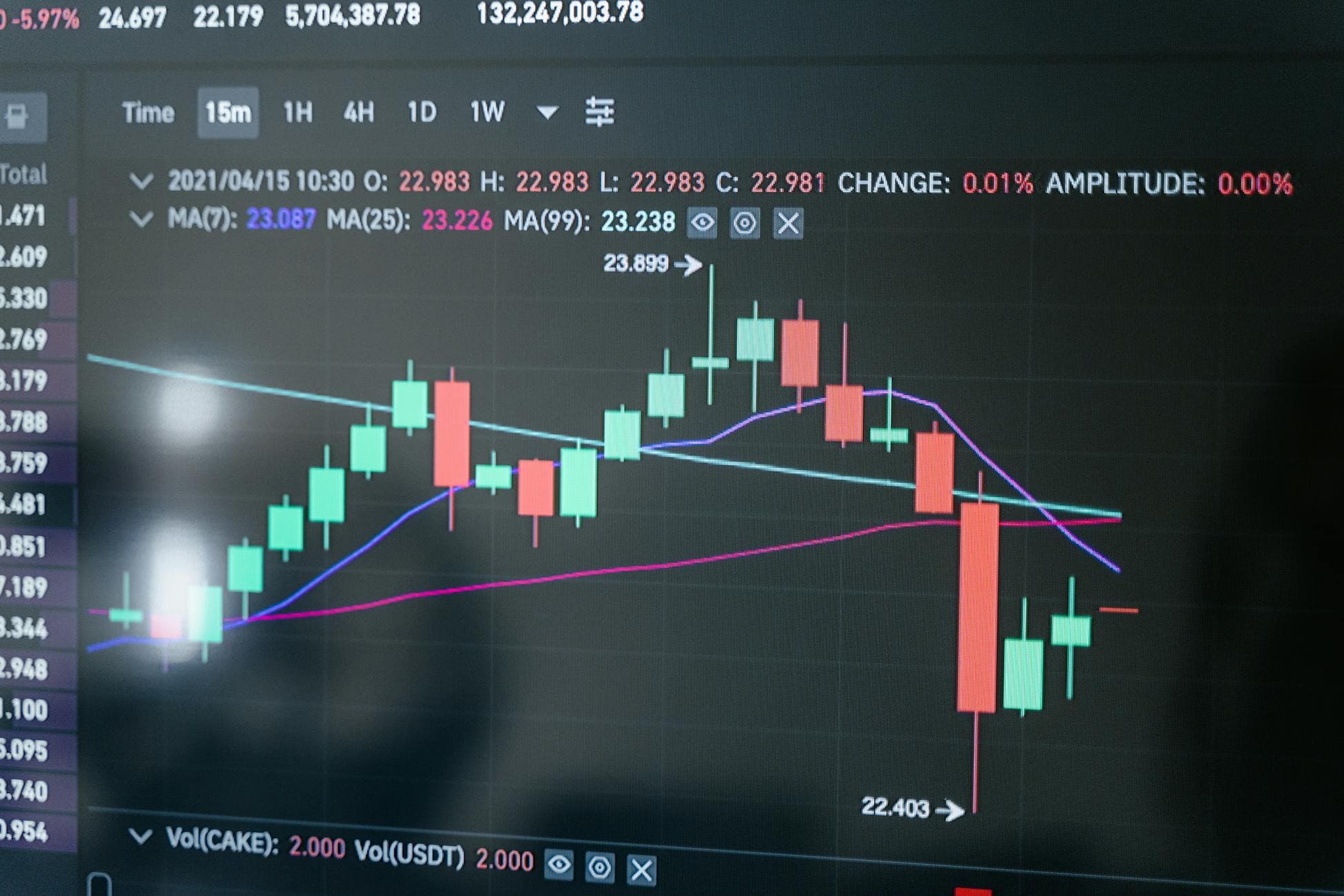
Opening answer: what people mean by crash stake originals streaks
When people talk about crash stake originals streaks, they usually mean a stretch of Crash rounds that feels unusually similar: several fast busts, a few higher climbs in a row, or a sequence of near-misses where the multiplier got close to a target and then dropped. The important part is that the streak is noticed after it happens. It is a description of recent rounds, not a usable forecast for the next one.
That distinction matters because Stake Originals Crash is built around a live decision point. The multiplier rises, the round can end at any moment, and the player decides whether to cash out or keep waiting. That gives streaks extra emotional weight. A run of low crashes can make the next higher climb feel “due,” while a run of strong rounds can make people linger longer than they planned. Neither feeling turns the game into a pattern you can depend on.
If you want the mechanical baseline for the game itself, start with Crash. If you want the broader streak-psychology comparison we built in the Plinko article, see Stake Plinko Streaks Explained: Pattern, Probability, or Risk Trap?. The difference here is that Crash adds timing pressure: the game asks you to decide while the multiplier is still moving.
What Actually Happens in a Round
A Stake Originals Crash round is simple to describe but hard to react to calmly in the moment.
- You place a stake.
- The round starts and the multiplier begins rising.
- You can cash out manually, or you can rely on an auto cash-out setting.
- At some point, the round crashes.
- If you cashed out before the crash, your payout is based on that multiplier. If not, the stake is lost.
That’s the whole loop. There is no hidden “safe zone” once the round starts, and there is no player input that changes where the crash point lands.
This is why Crash streaks are so seductive. They seem to offer a story about the round flow: “it has busted early a few times, so now maybe it goes long,” or “it has gone long repeatedly, so maybe it’s getting more conservative.” The game does not owe the player a readable story. What the player gets is a decision under uncertainty, not a sequence that becomes easier to decode because it happened several times in a row.
A useful way to think about the round is this:
- the stake is fixed before launch,
- the multiplier climbs in public,
- the cash-out decision is yours,
- the crash point is not,
- the result is finalized when the round ends.
That structure is what makes Crash feel both transparent and stressful. You can see the motion, but you still cannot control the stopping point.
What You Control, and What You Do Not
Crash is often misunderstood because it gives the player a visible lever. That lever is real, but it is narrower than people assume.
You do control
- Cash-out target: You decide whether to aim for a low multiplier, a moderate one, or a longer hold.
- Manual vs auto cash-out: Manual cash-out gives you direct timing responsibility. Auto cash-out removes some hesitation, but it does not change the game’s outcome structure.
- Stake size: You choose how much exposure each round carries.
- Whether to stop playing: This is the biggest control point, because stopping ends further risk.
- Session limits: Time, loss, and win/loss stop rules are under your control before the first round starts.
You do not control
- the crash point,
- the next round’s multiplier path,
- whether a recent streak continues,
- whether a cash-out target will be reached next time,
- the house edge through streak-based betting behavior.
That last point matters. Some players treat a streak as evidence that they should bet more aggressively, change their cash-out target, or try to “force” a rebound. None of that changes the underlying risk. In Crash, every round still resolves on its own terms.
If you want to compare that with another Stake Originals game that also exposes decisions but in a different format, Dice and Mines both make the same core point in another way: player choices shape exposure, not outcome certainty.
Why Crash Streaks Feel Meaningful
The reason crash stake originals streaks feel more persuasive than they really are is not that players are foolish. It is that Crash is designed to make each round feel immediate.
1. Consecutive low crashes feel personal
A run of early busts can make the game feel hostile, even if it is simply doing what an uncertain game does: producing uneven clusters. Because the round ends quickly, the losses feel compressed. You do not have to wait long to be disappointed, which makes the streak stick in memory.
2. Repeated higher multipliers feel like a clue
If several rounds keep getting “farther” before crashing, players often start reading intention into the sequence. They may increase their target multiplier, delay the cash-out, or think the game is “warming up.” The reality is less dramatic. A visible run of higher multipliers can happen without creating any predictive edge for the next round.
3. Near-misses get remembered more than ordinary losses
Cashing out at 1.25x and watching the round reach 8x afterward can feel like a missed opportunity. It is easy to mentally rewrite that event as evidence that a bigger target was somehow available to you. But a single round after your exit does not prove your timing was wrong. It only proves the game kept moving after you left.
4. Selective memory edits the sequence
People often remember the streak that fits the story they want to tell. The low crashes that supported their caution stand out when they are nervous. The higher climbs that supported their optimism stand out when they are feeling bold. That is one reason streak narratives are so sticky.
Risk Settings and Volatility
Crash does not have “safe” settings. It has settings that change how your risk shows up.
Earlier cash-outs generally reduce how wildly your session swings from round to round, because you are taking smaller payouts more often instead of waiting for a larger climb. But that trade-off is not a protection layer. Earlier cash-outs reduce variance but do not remove risk. You can still lose money quickly if the stake is too high, the session is too long, or the round crashes before your target.
Waiting for a larger multiplier does the opposite. It can increase the upside of any single successful round, but it also increases your exposure time and the chance that a round ends before you cash out. The exposure is more intense because each additional moment creates another chance to miss.
Think of it this way:
- Lower target, lower variance: more frequent exits, smaller swings, less dramatic downside per round.
- Higher target, higher exposure: fewer exits, bigger swings, more painful misses.
This is where streaks create trouble. After a cluster of early crashes, a player may want to “stay in longer next time.” After several long climbs, a player may want to “lock in quicker before it flips.” Both reactions can be understandable and still be unhelpful. They are emotional responses to the last stretch of play, not evidence that the next stretch is different.
If you want a related comparison, our earlier Plinko streak article shows how pattern-seeking can latch onto outcomes in another Stake Originals format. But Crash is distinct because the pressure happens in real time, not after a drop. You are not just reading results; you are making a timing decision while the multiplier is still alive.
Example: Same Bet, Different Outcomes
The best way to understand crash stake originals streaks risk is to compare identical stakes under different timing choices.
Scenario 1: Cashing out early during a later 8x round
You place the same stake you usually do and set an auto cash-out at 1.25x. The round later climbs to 8x, but that does not change your outcome. You took a small result and avoided the rest of the swing. The upside looks smaller in hindsight, but your live decision reduced exposure.
What this shows: lower variance, but no guarantee. If the round had crashed earlier, you still could have lost.
Scenario 2: Waiting for 3x and getting caught at 1.12x
You tell yourself the recent low crashes mean the game is “due” to run. So you aim higher than usual. The round crashes almost immediately, before your target is reached.
What this shows: streak interpretation did not predict anything. The higher target increased your exposure and left you with a faster loss.
Scenario 3: After several low crashes, increasing stake size
You feel irritated by a streak of quick busts, so you increase your stake to “make the next one count.” If the next round busts early too, the emotional pressure and the financial hit both rise.
What this shows: frustration can become a stake-escalation trigger, which is often more dangerous than the streak itself.
Scenario 4: Using the same target, but stopping after a rough run
You keep your target unchanged, complete a short session, and stop after a preset loss limit. Nothing magical happened. But you prevented a streak from making the session longer and more reactive.
What this shows: the most valuable control may be ending the session before your judgment gets noisy.
These examples are not strategies to beat Crash. They are illustrations of how the same game can produce very different risk profiles depending on what you decide before the round starts.
Crash Streaks vs Plinko Streaks
Since Riskoria already covered Stake Plinko Streaks Explained: Pattern, Probability, or Risk Trap?, it helps to separate the two angles clearly.
In Plinko, streak talk usually centers on drop outcomes, board settings, and the way people read clusters after the ball lands. In Crash, the emotional hook is different. The multiplier is visible as it rises, which means the player is living inside the decision.
That changes the psychology:
- Plinko streaks can feel like outcome clusters.
- Crash streaks feel like interrupted timing.
- Plinko invites “what happened?”
- Crash invites “should I have stayed in?”
That second question is where regret grows. A Crash streak can make players think the answer should have been obvious if they had only waited a little longer or left a little earlier. In reality, hindsight is doing the work. The streak does not make the next decision cleaner; it just makes the last one easier to second-guess.
Strategy Myths to Debunk
Here are the most common misconceptions around crash stake originals streaks, and why they do not hold up.
“After five low crashes, a big multiplier is due.”
No. Recent losses do not create a debt that the game has to repay. A streak can feel meaningful, but it does not force a future result.
“Doubling after a crash fixes the streak.”
It may feel satisfying, but it also raises exposure. A larger stake after frustration does not repair the situation; it simply increases the cost of the next loss.
“Auto cash-out turns streaks into a system.”
Auto cash-out can remove hesitation, which is helpful as a behavioral guardrail. It does not convert Crash into a pattern you can outread. It only automates your chosen stop point.
“Watching other players reveals the next crash.”
No one else’s cash-out history tells you where your round will end. Social observation can create false confidence, especially when chat or visible activity makes a round feel “hot.”
“A long run means the game is safer right now.”
Not necessarily. A long climb only means that round has already continued longer than some others. It does not guarantee the next round or the next moment within the current round.
Session Controls Before You Play
If you want to keep Crash from turning into streak-chasing, set your rules before the first round.
Practical protective rules
- Use a fixed stake size for the whole session.
- Pick a cash-out target in advance and do not keep moving it because of the last few rounds.
- Set a loss limit you will not cross.
- Set a win/loss stop point so a good run does not tempt you into giving it back.
- Set a time limit so the session does not stretch because you are “almost back.”
- Take a break after emotional decisions like stake increases, target changes, or revenge-style plays.
The goal is not to find a winning formula. The goal is to keep a volatile game from rewriting your behavior in the middle of a session.
A good habit is to decide what would make you stop before you start. If you only ask that question after a streak has already irritated you, it is too late. Emotion will already be part of the calculation.
Quick answers for readers who just want the gist
Crash streaks can be real in the sense that runs of similar outcomes do happen. But they are not reliable indicators of what comes next, and they do not create a hidden edge for the player. The practical question is not “what does the streak mean?” but “what will I do differently because of it?”
That is why the safest reading of Crash is also the least dramatic one: streaks describe recent history, cash-out settings control your exposure, and stopping the session controls the damage.
FAQ
Do Crash streaks predict the next round?
No. They only describe what has already happened. A low-crash streak does not make a high multiplier due, and a long run does not make the next round safer.
Is a low-crash streak good or bad?
It is a warning sign for your behavior, not a forecast. The streak itself is neutral; the risk comes from how you react to it.
Does auto cash-out beat Crash streaks?
No. Auto cash-out can help you stay disciplined, but it does not defeat randomness or improve the game’s underlying risk profile.
Should I raise my stake after several crashes?
Usually that is a bad emotional reaction, not a sound decision. Raising stake after frustration increases exposure and can make the next loss more damaging.
How do I reduce risk in Stake Originals Crash?
Use a fixed stake, set a cash-out target before play, choose a loss limit, set a time cap, and stop if the session starts driving emotional decisions. Those controls reduce how badly a streak can steer you, but they do not make the game safe.
Closing summary
Crash stake originals streaks can feel predictive because the game is fast, visible, and emotionally loud. But they are still just sequences of outcomes, not signals you can trust. In Stake Originals Crash, earlier cash-outs can reduce variance, but they do not remove risk. The multiplier still decides when the round ends, and streaks do not change that.
If you play at all, treat Crash as high-risk entertainment with firm session boundaries. Let streaks inform your understanding of what just happened, not your plan for what must happen next.